Rainbow Dream Font Review
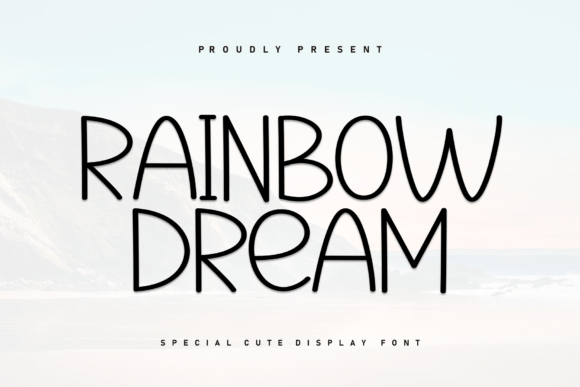
Opening a blank brand board, I often look for a font that feels both personal and professional. Rainbow Dream is one of those rare finds—a handwritten font that balances warmth with clarity, making it ideal for display and creative branding work. As a designer who’s tested it across logos, packaging, and digital assets, I’ve come to appreciate its subtle charm and versatility.
Rainbow Dream for Logo Design and Brand Identity
Rainbow Dream shines when used as a logo font or headline typeface. Its organic curves and smooth strokes give it a handcrafted feel that resonates well with boutique brands, artisanal businesses, and creative studios. I tried it on a new café identity project, pairing it with a minimalist sans serif for contrast. The result was a visual balance that felt both modern and approachable.
One thing I noticed is how the font maintains legibility even at larger sizes. It doesn’t feel too ornate or overwhelming, which makes it great for headlines and taglines. For a skincare brand, I used it in a logo concept, and it added a soft, trustworthy vibe that aligned with the product’s natural aesthetic.
Rainbow Dream for Packaging and Product Labels
When designing a packaging mockup for a handmade soap line, I experimented with Rainbow Dream on labels and box art. The font’s flowing lines gave the packaging a whimsical yet refined look, perfect for a small-batch, eco-friendly brand. It worked well alongside a clean, geometric sans serif for product descriptions, creating a visual hierarchy that guided the eye naturally.
I also tested it on a business card for a local bakery. At smaller sizes, it still held up surprisingly well, though I’d recommend using it sparingly for body text. The font’s personality is strong enough to stand out without needing additional embellishments.
Rainbow Dream for Web Design and Social Media Graphics
In web design, Rainbow Dream functions best as a display font—ideal for hero sections, headings, or callout text. I used it on a website header for a creative studio, and it added a friendly, artistic tone that matched the brand’s overall vibe. It pairs well with bold, modern typography systems, especially when used as an accent or secondary element.
On social media, the font caught attention on Instagram posts and Facebook banners. It works particularly well for promotional content, event announcements, or seasonal campaigns. However, I found that it can sometimes appear too casual for high-end or corporate platforms, so it’s best suited for brands aiming for a relaxed, authentic image.
Rainbow Dream for Editorial and Print Design
For a magazine layout, I incorporated Rainbow Dream into a feature title and subhead. Its organic flow complemented the editorial style, adding a human touch to the otherwise structured design. It also worked well in a flyer for a local art exhibit, where the font’s fluidity helped convey creativity and movement.
Print applications like posters and flyers benefit from the font’s readability at larger sizes. However, I wouldn’t recommend it for long paragraphs or dense text blocks. Its decorative elements can become distracting when used in extended copy, so it’s best reserved for short phrases or key messaging.
Rainbow Dream for Font Pairing and Typographic Systems
Pairing Rainbow Dream with other fonts requires a thoughtful approach. I found that it pairs beautifully with serif fonts like Playfair Display or Bitter, creating a classic yet modern contrast. With a sans serif like Montserrat or Roboto, it adds a personal, handcrafted flair to digital interfaces and UI elements.
When working with other handwritten fonts, I noticed that Rainbow Dream stands out due to its consistent stroke weight and balanced structure. It doesn’t have the same irregularity as some script fonts, which makes it more versatile for professional use. For a more dramatic effect, I occasionally used it alongside a bold display font to create visual interest without clutter.
Rainbow Dream for Commercial Use and Licensing
Before finalizing any design, I always check the commercial licensing terms of a font. Rainbow Dream is available in multiple file formats and includes webfont options, which is a big plus for designers working on digital projects. It’s important to verify the license details if you’re planning to use the font in client work, merchandise, or print-on-demand products.
Overall, Rainbow Dream is a solid choice for designers looking for a premium font that brings warmth and character to their work. Whether you’re building a brand identity, designing packaging, or crafting a website, this display font offers a unique blend of elegance and approachability.